Introduction
Group 7 elements, also known as the halogens, play a crucial role in chemistry due to their unique properties and wide-ranging applications. These elements, which include fluorine, chlorine, bromine, iodine, and astatine, are known for their reactivity and ability to form compounds with many other elements. Their significance extends beyond the laboratory, impacting various industries such as pharmaceuticals, water treatment, and even food processing.
Characteristics of Group 7 Elements
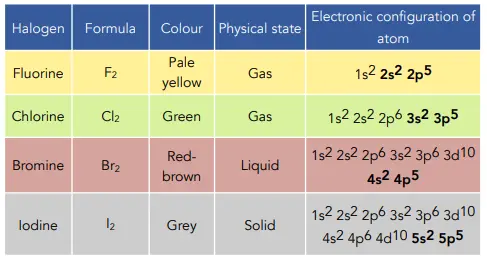
The halogens are characterized by their high electronegativity and the tendency to form negative ions. They exist in different physical states at room temperature: fluorine and chlorine are gases, bromine is a liquid, and iodine and astatine are solids. One of the most notable traits of halogens is their reactivity, which decreases as you move down the group. For example, fluorine is the most reactive of all elements, while astatine is much less so.
Applications of Group 7 Elements
Halogens have numerous applications based on their unique properties. Fluorine is widely used in toothpaste and water fluoridation to prevent dental cavities. Chlorine, on the other hand, is essential in water purification processes, ensuring that drinking water is safe for consumption. Bromine compounds are used in flame retardants, while iodine is vital in medical antiseptics and nutritional supplements, especially for thyroid health.
Environmental and Health Concerns
Despite their benefits, halogens can pose environmental and health risks. For instance, the excessive use of chlorine in water can lead to the formation of harmful by-products. Additionally, some brominated compounds have been linked to health issues and environmental degradation. Therefore, it’s crucial to handle these elements with care and be aware of their potential risks.
Conclusion
In summary, the meaning and significance of Group 7 elements extend well beyond their classification in the periodic table. Understanding their properties, applications, and associated risks is vital for both scientific and public health perspectives. As we continue to explore new uses and applications for these elements, it will be essential to strike a balance between their benefits and potential harms, ensuring that advances in technology and science contribute positively to society.